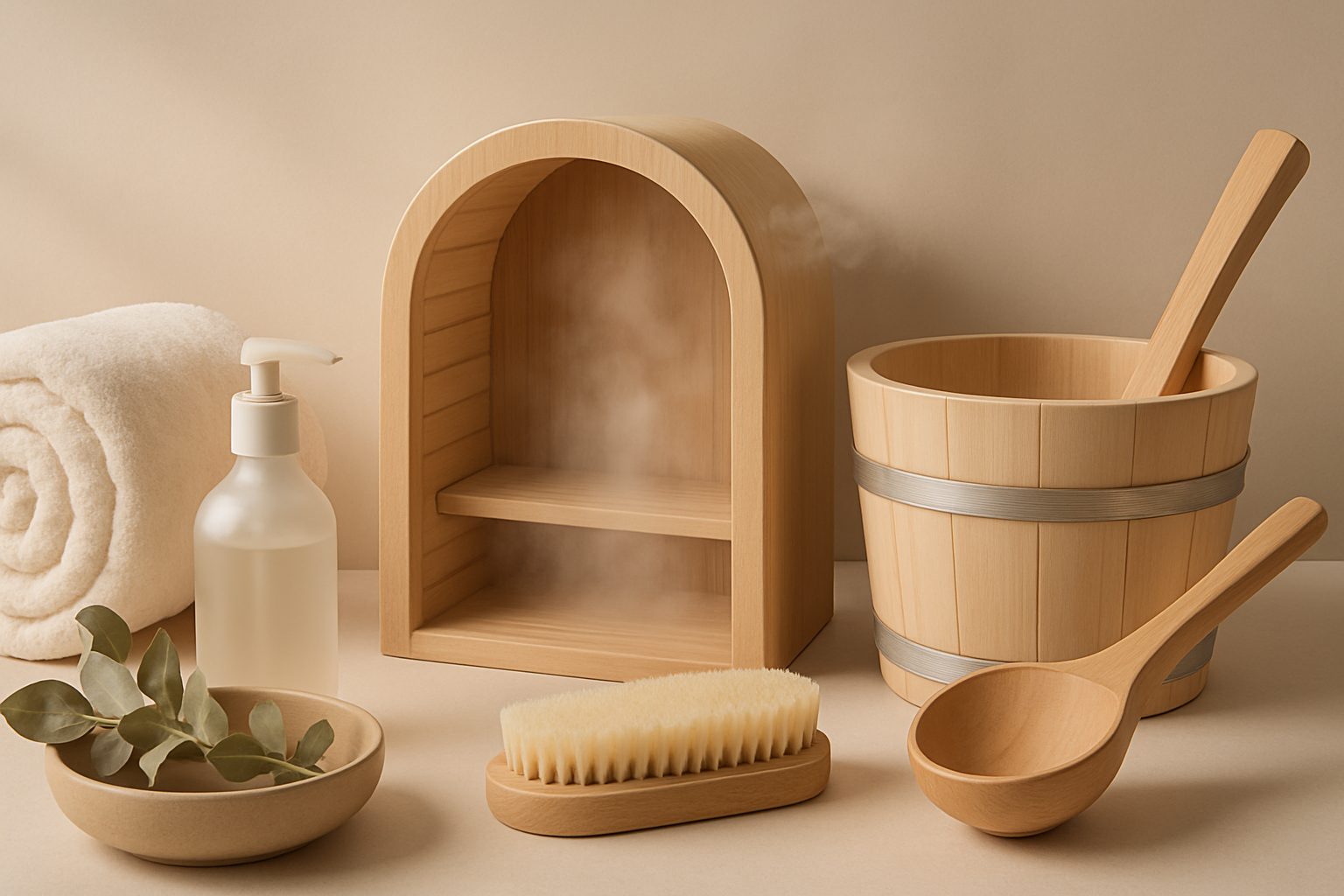
Best Steam Room Cabins for 2 People UK: Couples' Buying Guide
If you're considering a steam room cabin for two, you're looking at one of the most practical wellness investments for couples. A properly sized steam cabin – roughly 1.2 metres by 0.9 metres or larger – offers enough space for two people to sit comfortably without feeling cramped, whilst remaining energy-efficient and quick to heat. This guide covers what actually matters when choosing between models available in the UK market.
Why Size and Layout Matter for Two
A steam room's experience hinges on its dimensions and internal layout. The minimum usable size for two adults is around 1.2 m × 0.9 m, but this is genuinely tight – you're sitting upright on single benches facing each other or side by side. Many couples prefer 1.4–1.5 metres wide, which allows proper seating comfort without knees touching during a 20-minute session.
Bench configuration is often overlooked but crucial. L-shaped benches suit couples because you can sit perpendicular to each other, creating a more intimate setup than the back-to-back straight arrangements found in smaller models. Single-width benches limit you to facing each other across a narrow space – fine functionally, but less comfortable for longer sessions.
Look for cabins with adjustable bench heights or upper and lower benches. This isn't just about comfort; it affects steam circulation. Heat and steam rise, so you'll experience milder temperatures on lower benches – useful if one person prefers less intense heat.
Steam Output and Recovery Time
Home cabins typically generate steam through electric generators rated 3–6 kW. For a two-person cabin, you want at least 4.5 kW to reach therapeutic temperatures (around 43–45°C) within 10 minutes. Undersized generators mean sluggish warm-up and uneven heat distribution.
Look at generator quality, not just wattage. Stainless steel generators resist mineral buildup better than cheaper aluminium alternatives, especially important if you're in a hard-water area. Recovery time – how quickly it regenerates steam mid-session – matters more than initial power. A 6 kW generator with poor heat insulation will underperform compared to a well-insulated 5 kW cabin.
Cabin insulation, measured in millimetres of interior foam, affects how efficiently it maintains temperature. Anything below 50 mm is budget territory and will lose heat quickly. 80+ mm keeps temperatures stable and reduces running costs significantly.
Control and Convenience Features
You'll be using this two or three times weekly, so interface design matters. Physical buttons on a simple control panel are honestly more reliable than touchscreens – they don't malfunction with humidity over time. Look for:
- Manual temperature control allowing you to adjust on the fly
- Timer presets so you don't need to reprogram every session
- On-board aromatherapy (optional but appreciated by most couples; eucalyptus or lavender dispensers are simple and work well)
- Chromotherapy lighting – blue and purple LEDs add to the atmosphere without being medically essential
- Drainage system with a proper floor valve rather than sump designs, which trap stagnant water
The Romantic Wellness Angle
What sets a couples' steam cabin apart from a utility purchase is the ritual aspect. A 20-minute session twice weekly becomes a genuine retreat from routine. The enclosed space, gentle heat, and shared quiet time create the conditions for conversation or comfortable silence – something you don't get from spas visits if you're navigating shared facilities.
Ventilation matters here too. Noisy extraction fans undermine the relaxation. Mid-range cabins with whisper-quiet motors (below 70 decibels) maintain the peaceful atmosphere better than budget models with audible hums.
Real Considerations
Steam cabins aren't maintenance-free. You'll need to:
- Rinse the interior weekly to prevent mineral deposits and mould growth
- Deep clean monthly with dilute white vinegar to maintain the acrylic or tiled surfaces
- Replace generator filters annually (typically around £40–60)
- Check seals twice yearly to avoid water leakage into surrounding structures
Running costs are modest. A 5 kW cabin uses roughly 1–1.5 kWh per session at full temperature – about 25–35p in electricity for a 20-minute session. Annual maintenance adds another £100–150.
Space and Installation
Couples' cabins range from freestanding boxes (good if you're renting or want flexibility) to built-in corner units. Freestanding models are simpler to install – you need a 230V outlet, decent ventilation, and level flooring. Built-in models require plumbing and drainage, which adds installation cost but looks more integrated.
Ensure your bathroom or dedicated space has adequate ventilation. A poorly ventilated cabin leads to moisture problems in surrounding walls. Most require at least 15 air changes per hour – a standard extractor fan typically handles this if ducted outside rather than into loft space.
Warranty and Support
UK retailers vary significantly in after-sales support. Cabins backed by 5-year warranties on structure and 2-year warranties on electrical components offer better peace of mind than 12-month blanket coverage. Check whether the manufacturer or retailer handles repairs locally – waiting weeks for parts from overseas suppliers is frustrating when you've invested £3,000–£5,000.
Conclusion
A good couples' steam cabin works because it balances practical requirements – sufficient size, reliable heat generation, easy maintenance – with the experience design that makes couples actually use it regularly. Sizing up from the absolute minimum improves comfort dramatically, and mid-range brands with solid insulation and straightforward controls prove far more satisfying long-term than budget models that overpromise and cut corners on durability. The best choice is the one you'll actually use twice weekly for the next five years.
More options
- Home Steam Room Cabins & Enclosures (Amazon UK)
- Steam Generators for Home Use (Amazon UK)
- Portable Personal Steam Rooms & Tents (Amazon UK)
- Steam Shower Enclosures (Amazon UK)
- Steam Room Accessories (Diffusers, Lighting, Benches) (Amazon UK)